
Understanding Asset Allocation: A Beginner's Guide
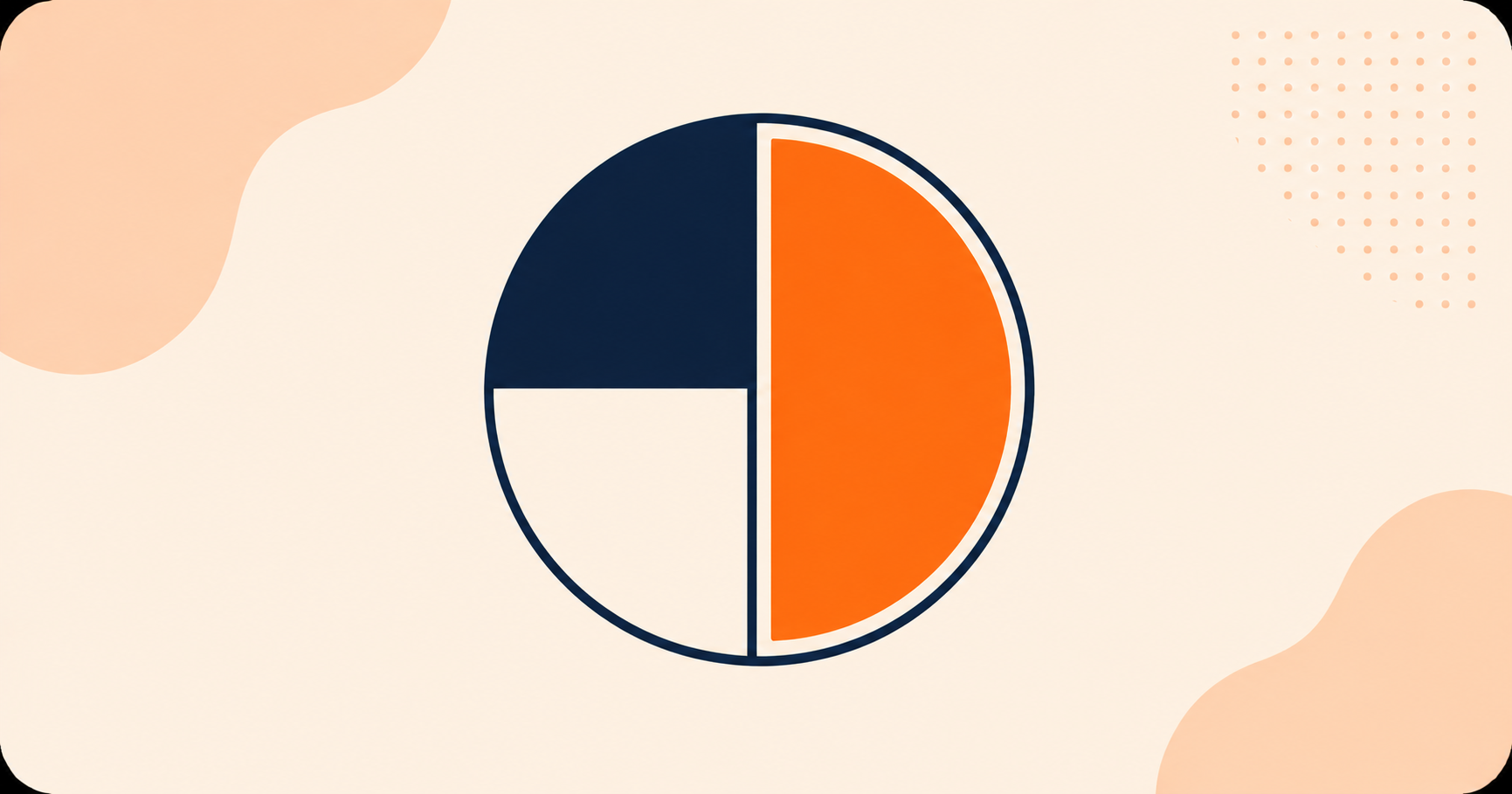
New investors tend to obsess over which specific fund or stock to pick, while asset allocation — the mix between different asset classes like equity, debt, and gold — quietly does most of the heavy lifting in determining long-term outcomes. Understanding it matters more than most people realize.
What asset allocation actually means
It's simply the proportion of your money split across different types of investments — equity (stocks and equity mutual funds), debt (fixed deposits, bonds, debt funds), and other categories like gold or real estate. The specific mix, not the individual picks within each category, is what shapes most of your portfolio's risk and return characteristics.
Why it matters more than picking "the best" fund
A portfolio that's 90% equity behaves very differently from one that's 40% equity, regardless of which specific funds fill each bucket. Getting the overall mix wrong for your situation can matter more than which individual fund within that mix slightly underperforms or outperforms.
The two things that should drive your mix
Your allocation should be shaped primarily by your time horizon and your risk tolerance. Money you'll need in two years shouldn't be heavily in equity, no matter how strong your risk appetite feels — the timeline doesn't allow for a market downturn to recover. Money you won't touch for fifteen years can typically afford more equity exposure, since there's time to ride out volatility.
Allocation isn't set-and-forget
As you get closer to a goal, or as markets move and shift your actual proportions, your allocation needs periodic rebalancing — not because the original plan was wrong, but because circumstances and market movements change the mix over time.
Where this connects to your specific goals
Different goals should often have different allocations — a retirement fund decades away can look very different from a house down payment fund needed in three years, even though both are "investments." Tools like the Wealth Staircase and Retirement Calculator can help you see how your current allocation lines up with specific goals.
If you're unsure whether your current mix actually matches your goals and risk tolerance, that's a common area where a Personal Finance Professional adds real value — start with a free Financial Health Check to get matched with one.
Want to see where your own finances stand?
Start Your Free Health Check